Mesophilic vs Thermophilic Continuous Anaerobic Fermentation in LAMBDA Minifor Fermenters
A recent study published in Green Chemistry by Hanna Prusak, Natalia Gutowska, Emilie Alaux, Mateusz Szczygiełda, Nay Yee Wint, Diana Z. Sousa, Mateusz Łężyk, and Piotr Oleskowicz-Popiel investigated how operational parameters — particularly temperature, pH, and hydraulic retention time (HRT) — influence biochemical production from organic waste using mixed-culture fermentation (MCF).
The research was conducted at Poznan University of Technology in collaboration with Wageningen University & Research. Using the LAMBDA Minifor continuous stirred-tank reactor (CSTR) over 150 days, the team systematically shifted conditions between mesophilic (37°C) and thermophilic (50°C) regimes to steer microbial communities toward target biochemicals including succinate, caproate, acetate, butyrate, propionate, ethanol, and lactate.
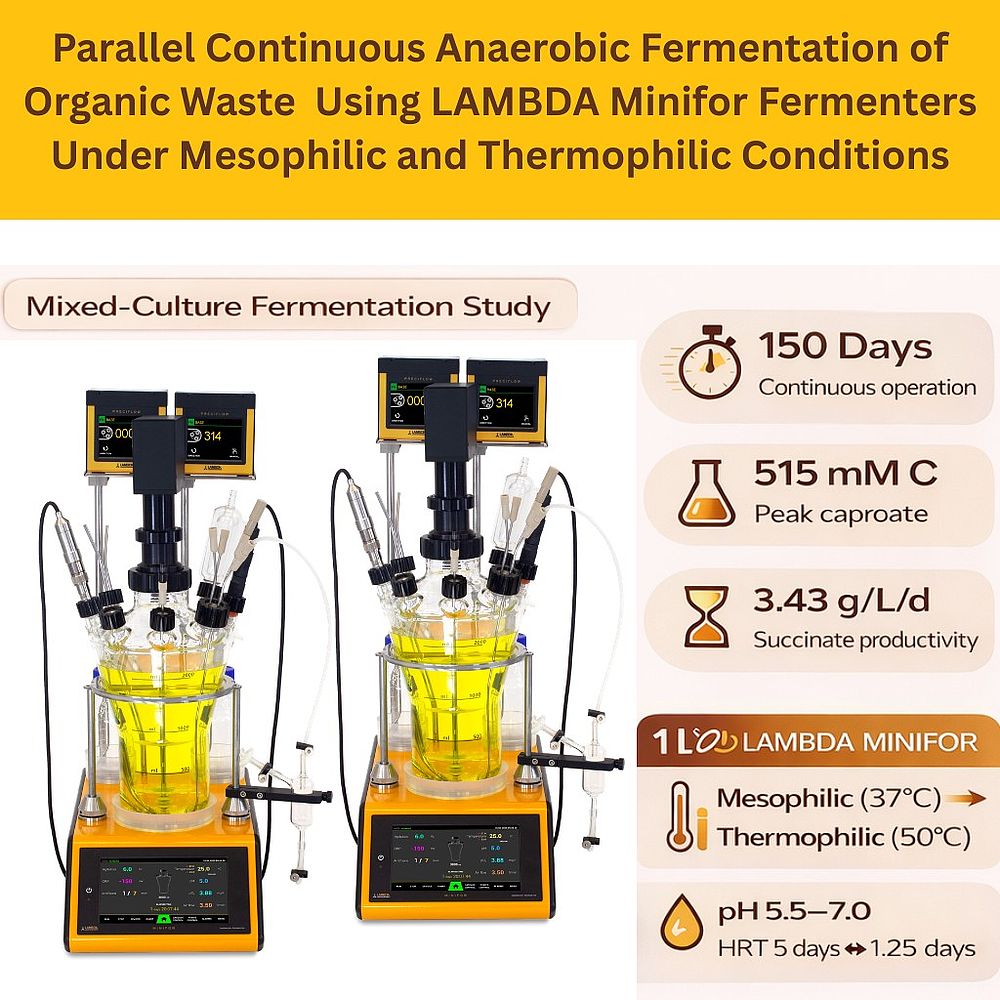
Figure 1. LAMBDA Minifor CSTR for Mixed Culture Fermentation
Reference: Prusak H., Gutowska N., Alaux E., Szczygiełda M., Wint N.Y., Sousa D.Z., Łężyk M., Oleskowicz-Popiel P. (2026). Expanding the product spectrum in mixed-culture fermentation of organic solid waste through operational control. Green Chemistry. DOI: 10.1039/d5gc05638a. Open Access — CC BY 3.0.
Experimental Setup
Two LAMBDA Minifor 1 L stirred-tank fermenters were operated in parallel as chemostats with a working volume of 1 litre each. Substrate was synthetic OFMSW (organic fraction of municipal solid waste) comprising potatoes, apples, carrots, tomatoes, bread, rice, pasta, and other household organics, ground and diluted to 4% total solids.
- 2x LAMBDA Minifor 1L vessel operated in parallel
- Vessel Volume: 1.7 L (1 L working volume)
- Operation: Chemostat of Mixed culture
- Temperature Range: Mesophilic and Thermophilic
- Substrate Feed: Organic Waste
- Operation Duration: 150 days continuous
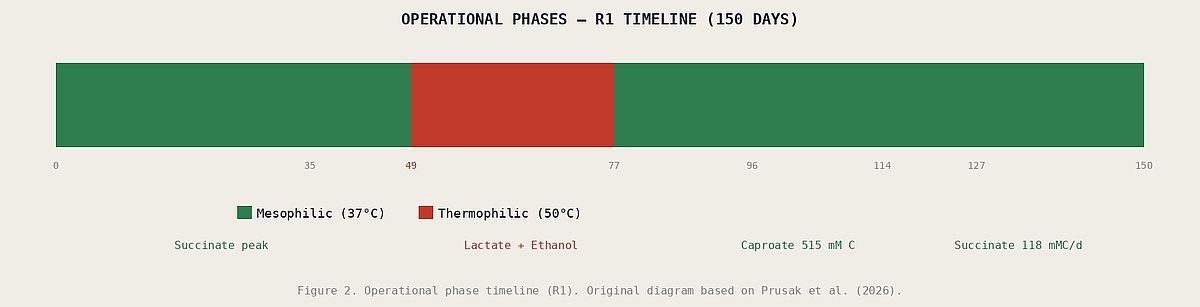
Figure 2. Proportional 150-day Operational Phase Timeline
Green = mesophilic (37°C); red = thermophilic (50°C, Phase III). Original diagram based on Prusak et al. (2026).
Influence of Temperature and Operating Conditions
| Phase | Days | Temp | pH | HRT | Key Products |
|---|---|---|---|---|---|
| I | 0–35 | 37°C (M) | 6.5 | 5d | Succinate, Acetate, Butyrate |
| II | 35–49 | 37°C (M) | 5.5–6.0 | 5d | Acetate, Butyrate |
| III | 49–77 | 50°C (T) | 5.5–6.0 | 5d | Lactate, Ethanol, Butyrate |
| IV | 77–96 | 37°C (M) | 6.5 | 5d | Caproate, Acetate, Butyrate |
| V | 96–114 | 37°C (M) | 7.0 | 5d | Caproate peak — 515 mM C |
| VI | 114–127 | 37°C (M) | 7.0 | 2.5d | Acetate, Butyrate, Ethanol |
| VII | 127–150 | 37°C (M) | 7.0 | 1.25d | Succinate peak — 118 mM C/d |
Phase I–II: pH-Driven Shifts at 37°C
Under initial mesophilic conditions (37°C, pH 6.5, HRT 5 days), succinate temporarily dominated the product spectrum, averaging 188 ± 30 mM C in R1 and 155 ± 29 mM C in R2 between days 7 and 23. Acetate and butyrate subsequently became the dominant products. Lowering pH in Phase II reshaped microbial diversity and shifted metabolism further toward acetate and butyrate, with microbial community alpha-diversity decreasing as environmental pressure increased.
MESOPHILIC FINDING: At 37°C and neutral-to-mild acidic pH (6.5–7.0), the system consistently favoured acetate, butyrate, and — under the right conditions — high-value caproate production through chain elongation driven by ethanol-consuming microorganisms.
Phase III: Thermophilic Conditions (50°C)
Raising temperature to 50°C produced a dramatic shift in both the product spectrum and microbial community. Lactate concentrations increased approximately 21-fold in R1 and 34-fold in R2 compared to Phase II. Ethanol levels also rose, while total metabolite yield fell to only 548–571 mM C — the lowest of any phase. The community simplified to just three dominant taxa accounting for ~80% of relative abundance: Weizmania coagulans and two Thermoanaerobacterium relatives.
THERMOPHILIC FINDING: At 50°C, microbial diversity collapsed and overall metabolite productivity fell significantly. However, lactate and ethanol accumulation during this phase created a rich substrate for chain elongation once mesophilic conditions were restored — priming the system for efficient caproate production in Phase IV.
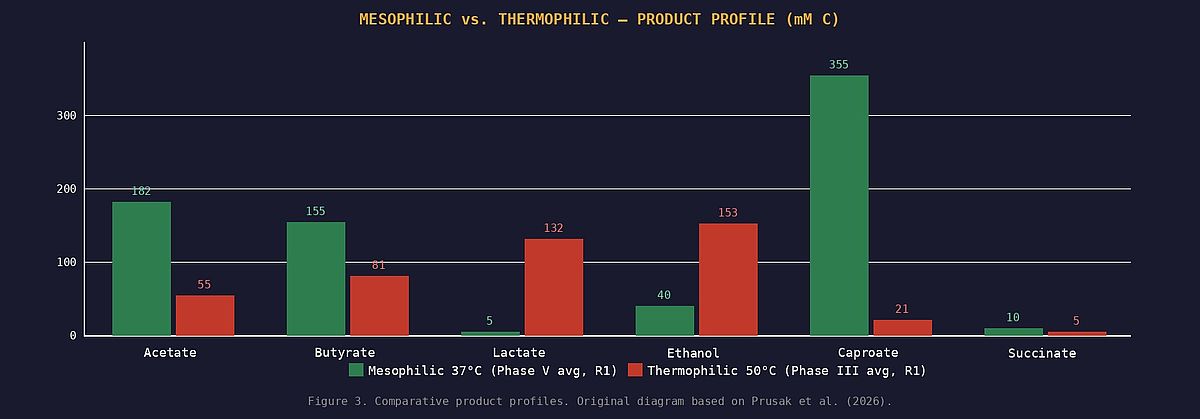
Figure 3. Comparative Product Profiles Under Mesophilic vs Thermophilic Conditions.
Caproate was strongly suppressed at 50°C while lactate and ethanol dominated. Original diagram based on Prusak et al. (2026).
Phases IV–V: Caproate Production via Chain Elongation
Restoring mesophilic conditions (37°C) after the thermophilic phase created an opportunity for efficient chain elongation (CE). Caproate concentrations surged 20-fold within two hydraulic retention times after the temperature shift back to 37°C. A subsequent pH increase to 7.0 in Phase V further boosted production, reaching a peak of 515 mM C on day 99 in R1.
Spearman correlation analysis confirmed a strong negative relationship between ethanol and caproate concentrations (ρ = −0.79 for R1; ρ = −0.82 for R2; p < 0.001), confirming ethanol as the primary electron donor in the reverse β-oxidation process.
Phases VI–VII: Short HRT and Succinate Production
Halving the HRT to 2.5 days and then to 1.25 days shifted the system back toward acidogenic fermentation and restored succinate production. At pH 7.0, 37°C, and HRT of 1.25 days, R2 maintained relatively stable succinate output of 147 ± 19 mM C for 23 days, with a maximum concentration of 207 mM C. Succinate productivity reached 118 ± 40 mM C day⁻¹ (3.43 g L⁻¹ day⁻¹) — a ~3-fold increase versus Phase VI. RDA analysis confirmed a strong negative correlation between HRT and succinate.
Summary and Conclusions
This study demonstrates that temperature is one of the most powerful levers for redirecting mixed-culture fermentation toward different biochemicals from organic waste.
• Mesophilic conditions (37°C) supported higher total metabolite productivity and enabled caproate production up to 515 mM C at neutral pH.
• Thermophilic conditions (50°C) reduced productivity but generated a lactate- and ethanol-rich product mix, priming chain elongation upon return to 37°C.
• Short HRT (1.25 days) at 37°C and pH 7.0 was optimal for succinate production, achieving 3.43 g L⁻¹ day⁻¹.
• Microbial community composition adapted predictably to each temperature and pH condition.
• The LAMBDA Minfor continuous fermenter system operated stably for 150 days across all seven phase transitions without process disruption.
Ready to optimize your continuous anaerobic fermentation or biochemical production from organic waste?
Contact our team today at sales@lambda-instruments.com to learn how LAMBDA Minifor fermenters can support your research and process development.